
Choosing the Right Education News Source for Daily Living
A practical guide for readers to pick reliable, bite-sized education news that fits a busy lifestyle and helps with everyday decisions.

When you want to stay informed about education without drowning in fluff, you need a source that respects your time and your choices. This guide compares options, focusing on practicality, accessibility, and trust. You’ll learn how to pick a site that fits your daily routine and helps with real-life decisions.
Look for clarity, concise summaries, and verifiable basics like authorship and a transparent editorial process. We’ll point out what to value in an education news resource and how to spot signals that a site is a reliable companion for your household chores, scheduling, and family conversations.
Expect recommendations that translate news into everyday actions, from school calendars to study tips for kids and adults alike. The goal is to help you use the latest education news to plan, discuss, and decide with confidence.
- Choose reliable education news sources that fit your routine and provide clear, practical updates.
- Learn to skim for value, verify credibility, and translate stories into action you can use this week.
- Use a primary source plus one backup, and keep a simple credibility check to avoid misinformation.
- Be mindful of how news intersects with daily life, from school calendars to family discussions.
Basics to know before choosing
What counts as education news
Start with sources that cover policy, curricula, and classroom trends in plain language. Look for pieces that explain how a change affects your community, not just headlines. This helps you decide what matters at home or in your child’s day-to-day routine. A useful resource on this topic: latest education news.
Avoid sites that rely on buzzwords or unverified claims; they require extra skepticism and fact-checking before you share with family. Check who writes the article and whether there are corrections or updates when needed.
A good baseline is a site that shows its publishing timeline and a clear process for reporting errors, so you can trust what you read next.
- Look for author bios and contact details
- Prefer sources with edits or updates shown
- Check for a visible date and source citations
- Favor sites that explain how stories are gathered
- Beware sites that reuse old material without context
How to read education news efficiently
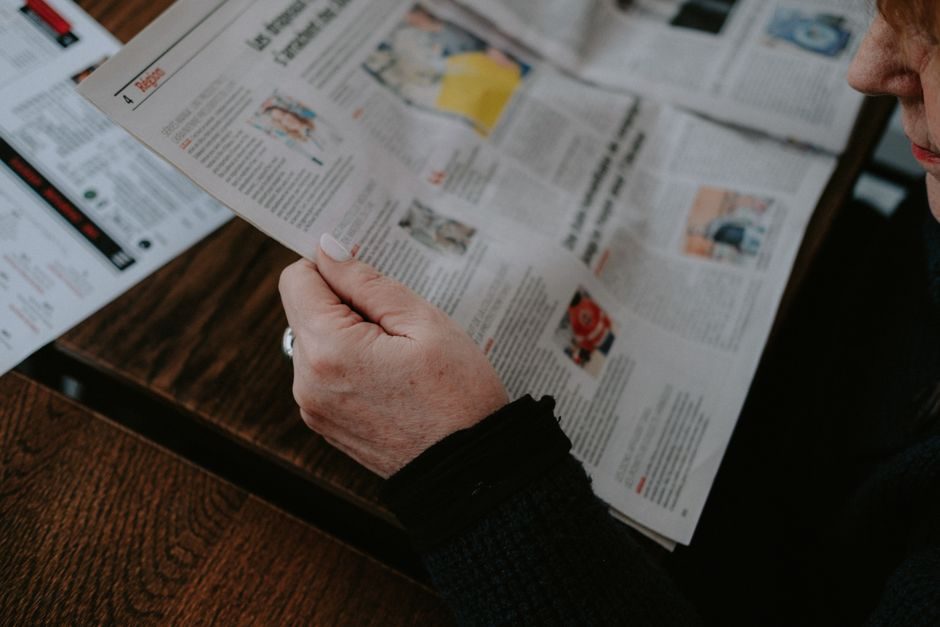
Skim strategically for value
Begin with headlines and the deck text to gauge relevance. Then check the lead paragraph for the core claim and any numbers. Skipping straight to the conclusion often misses context that changes meaning. A useful resource on this topic: list your event in the USA.
- Set a 5-minute reading window for each piece.
- Copy the key date or action into a calendar note.
- Ask yourself how this affects your daily routines.
Use subheads to guide your attention to practical takeaways like timelines, costs, or policy changes that affect your family routine.
End with a quick check of any expert quotes or sources to gauge credibility and potential biases.
- Identify the practical takeaway first
- Note dates and deadlines mentioned
- Look for concrete actions you can take
- Record a question for follow-up
- Ignore sensational framing in favor of substance
Convert news into daily choices
Translate reporting into concrete steps: adjust a calendar, talk to a teacher, or discuss options with family. This makes the news useful rather than decorative.
Summarize what changed, who it affects, and what you should do in the next week. A simple checklist keeps decisions manageable.
Track your actions and review impact after a session or term to refine future decisions.
- Create a simple action list
- Assign a responsible person for each item
- Set a short review window
- Keep a learning journal for quick reference
Options for how you access education news
Where to read and how often
Choose a primary source you visit at a steady pace, plus one backup for variety. Regular, predictable access beats sporadic hunting. This helps you stay current without feeling overwhelmed. A useful resource on this topic: list your company in the USA.
Consider formats you actually use, such as email digests, mobile apps, or concise web pick lists. Pick what fits your routine, not what sounds fancy.
Limit notifications to real deadlines or shifts that affect your week to avoid fatigue and fatigue-related misses.
- Email digest with 3-5 summaries
- Mobile app with brief updates
- Weekly print or PDF round-up
- A dedicated education calendar
- A community forum for quick questions
| Source type | Credibility signals | Practical usefulness |
|---|---|---|
| Main site | Authorship visible; updates noted | Clear actions and dates evolve with stories |
| Newsletter | Concise summaries; regular schedule | Digestable steps for family routines |
| App features | Push-worthy alerts; user controls | Quick checks; easy reference |
How to verify credibility
Look for author names, bylines, and an editorial policy that explains sourcing. Transparent practices diminish doubt and help you explain what you read to others.
Cross-check a few stories with other reputable outlets to confirm consistency. If gaps appear, pause and seek official documents or statements.
Beware emotional language or claims without data; credibility comes from evidence and careful wording.
- Check author credentials
- Look for cited sources
- Watch for corrections and updates
- Compare at least two outlets
- Be cautious of anonymous claims
Overgeneralized conclusions from a single study can mislead readers about typical outcomes.
Pitfalls to avoid with education news

Common traps that waste your time
Clickbait headlines and misrepresented quotes are designed to spark shares, not provide clarity. Avoid pieces that promise quick fixes without context. A useful resource on this topic: second-hand items for sale in the USA.
- Skip superficial links
- Avoid echo chambers
- Read beyond the headline
Overgeneralized conclusions from a single study can mislead readers about typical outcomes. Seek reports with broader context and multiple sources.
Beware paywalls or opt-in gates that block essential context; accessibility matters for informed choices.
- Ignore sensational headlines
- Look for context across sources
- Favor free access to key information
- Seek multiple perspectives
- Question rare, dramatic claims
When education news clashes with daily life
Establish whether a story impacts routines, finances, or a child’s schooling. If not, note it for curiosity rather than action.
Use a decision ladder: does this shift require a plan this week, this month, or never? This keeps your pace realistic.
If a story contradicts personal experience, verify with local data or school guidance before altering schedules.
- Prioritize impacts on routine
- Create a small, time-bound plan
- Verify with local resources
- Keep curiosity separate from decisions
How education news informs parenting
Gauging headlines for impact
Parents often start with a headline to decide what deserves a deeper read. Look for practical angles like homework support, school routines, or safety implications at home. Compare articles to see which tips are truly actionable and relevant to daily life. post a funeral announcement in the USA
- Scan the article for one concrete action you can try today.
- Evaluate whether the change affects the child’s routine.
- If feasible, test the action for a week and note results.
- Share a simple takeaway with your family and adjust as needed.
When an article mentions changes in school policy, check how it affects your child’s routine. Focus on concrete steps you can take, such as adjusting after-school schedules or talking points for conversations with teachers. This keeps news from becoming noise and instead becoming a plan of action.
A reliable piece will cite practical examples, not just broad trends. It might describe how to prepare a school lunch routine during a policy change or how to reinforce study habits at home. Use these specifics to tailor family routines without overhauling your life.
- Look for practical takeaways
- Ignore sensational wording
- Note direct effects on your child
- Ask which actions are feasible
- Keep a log of changes and results
Practical budgeting with news

Prioritizing education expenses
News sometimes highlights broad funding shifts or policy tweaks. Translate these into your household by identifying upcoming costs: tutoring, supplies, or enrichment programs. Decide what benefits your family most and allocate funds accordingly.
Create a simple monthly plan that reflects any policy changes you’ve read about. If a school reform suggests new required materials, set aside a small buffer. This keeps education costs predictable rather than reactive.
A steady approach reduces financial stress when headlines bring new demands. Track spending, compare with last year, and adjust as education priorities evolve.
- Identify recurring costs
- Set aside a small buffer for changes
- Track expenses against goals
- Review and adjust monthly
Education news and career choices
Aligning learning with career goals
News about apprenticeship programs, certifications, or school partnerships can reveal new routes to work. Map these options to your interests and your family’s capacity to invest time and money. This helps turn information into a viable plan.
Identify which programs align with your child’s strengths. If a report highlights a growing field, discuss practical steps like courses, internships, or project work to build relevant experience. Narrow choices to a short list you can revisit quarterly.
A structured approach makes news useful. Compare timelines for enrollment, expected costs, and potential outcomes so you can advise your child with clarity and honesty.
- Match programs to interests
- Assess time and cost
- Create a shortlist of options
- Review progress periodically
Balancing screen time with information sources

Choosing trusted sources
With many outlets, it’s essential to pick sources that go beyond clickbait. Favor outlets that explain why a change matters and how it affects families. This builds trust and reduces misinformation.
Develop a simple rule: compare at least two sources before acting on a claim. Look for corroboration, clear dates, and practical implications. This habit keeps your decisions grounded in reality.
A balanced approach means mixing news with direct experiences—talking to teachers, attending school events, or trying out a learning app. This helps you see what actually works in your home.
- Compare multiple sources
- Check dates and context
- Mix news with real-life testing
- Keep a family action log
Frequently asked questions
Do I need to read every education article I see?No. Identify one or two topics that matter most to your family, then read a short piece and skim for concrete takeaways. Use a simple note system to track what changes you want to try.
How can I verify the reliability of an education news item?Check the source, look for supporting details such as dates, and compare with a second reputable outlet. If a claim sounds extreme, seek out a third perspective before acting.
What if the news conflicts with my child's teacher’s advice?Treat the two as complementary. Use the teacher’s guidance as your primary line, and view news as context for possible options to discuss in class or at conferences.
How often should we discuss education news as a family?Aim for a brief weekly check-in. Use it to plan one small change, set a goal, and review what happened in the last week. The point is steady, doable progress.
Next steps for informed living
Informed living comes from turning news into routines that fit real life. Start with one practical change you can implement this week, then track how it affects daily flow.
A consistent, small practice—paired with a second trusted source—helps you build a calm, capable approach to education decisions. Use that rhythm to reduce guesswork and anxiety.
Add Pokémons as a preferred source on Google


