
How to Tell What Your Pokémon Trading Cards Are Worth
Learn how to identify Pokémon cards, judge rarity and condition, compare recent sales, and choose a practical way to sell or trade your collection.

Pokémon cards are worth what collectors are currently willing to pay for that exact card in its condition, not a fixed amount printed on a price guide. Identify the set and version, assess wear, then compare recent completed sales for matching cards. Rarity, demand, language, and grading can all shift the result, so check each card individually.
Start with clear photos of the front and back, and use the card’s set symbol and collector number to identify it accurately. A familiar character or shiny finish can attract attention, but neither guarantees a high value.
Once you have a realistic estimate, decide whether a quick local trade, an online sale, or professional grading makes sense. The right choice depends on the card’s condition, likely sale price, and how much time and effort you want to spend.
- Identify the exact set, collector number, language, and version before searching for prices.
- Treat rarity as one clue; condition and current demand also shape value.
- Compare completed sales for genuinely similar cards, not hopeful asking prices.
- Describe flaws honestly and weigh selling costs before choosing a price or venue.
Start With the Card’s Identity and Set
Find the Set and Number
Use the card’s collector number and set symbol to identify its exact printing before looking up a value. The number is usually printed near the bottom of the card, while a small symbol may appear beside the artwork or near the card details. These identifiers separate similar-looking cards released in different sets.
Check the card name, number, language, and any visible set mark together; a name alone is not enough. A Pokémon may appear in many sets, with different artwork, rarity symbols, and numbering. Search a reliable card database or set checklist using those details, then compare the result with your card’s layout.
Look closely for version details such as a first-edition mark, a special illustration, or a foil pattern. Some cards have near-identical artwork but differ in printing, which can change collector interest. If a mark is hard to read, photograph it in good light and compare the image with a clear reference before estimating value.
- Read the collector number.
- Match the set symbol.
- Confirm the language and card name.
Separate Similar Printings
Confirm whether the card is a standard, reverse-holo, or special-holo version, because those treatments can have different demand. A reverse-holo card usually has a reflective area around the artwork rather than across it. Compare the foil placement and card number with a reference image instead of relying on memory.
Promotional cards also need precise identification because they may carry a stamp, event mark, or unique numbering. The same character can appear in a regular set and in a promotional release with different artwork. Check the printed details and distribution context where known, but do not assume every promo is scarce or valuable.
Older cards can require extra care because subtle printing differences are not always obvious at a glance. Compare borders, symbols, text, and artwork with a trusted checklist or sales listing for the exact version. If you cannot confirm the printing, note the uncertainty rather than treating the highest-priced similar card as a match.
Understand Rarity and Demand
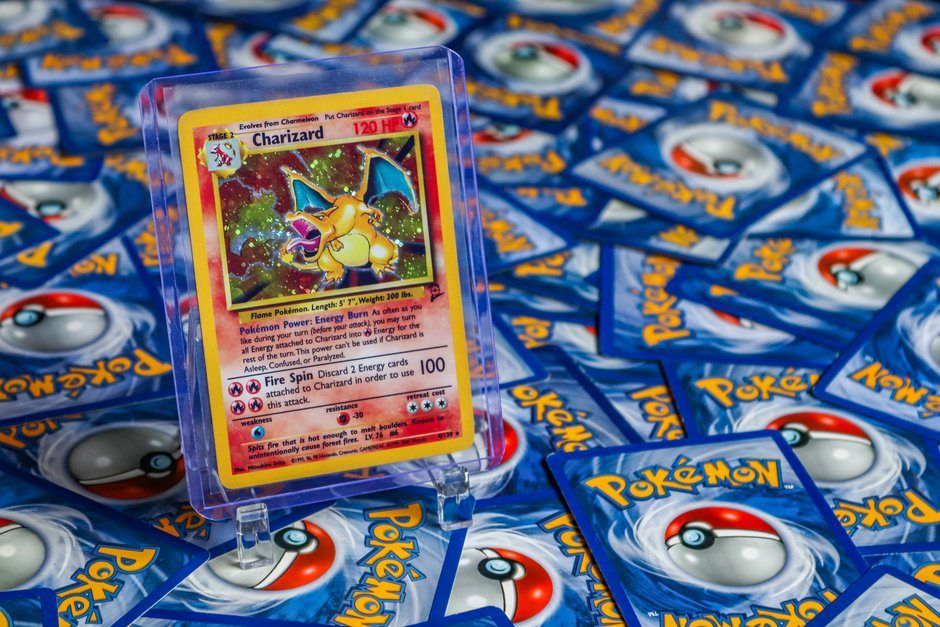
Read Rarity Symbols Carefully
A rarity symbol is a useful clue, but it does not set a card’s price by itself. Common, uncommon, and rare cards are marked differently across sets, and special treatments can have their own symbols or labels. Check the symbol against information for that specific set, since designs and conventions have changed over time.
- Use the rarity mark as a clue, not a price.
- Confirm the symbol within its set.
- Distinguish distribution rarity from buyer demand.
Rarity describes how a card was distributed within its release, while market value reflects what buyers currently seek. A card marked rare may still be widely available, and a less obvious card can attract collectors because of its artwork or role in the game. Treat the symbol as one part of identification, not a final appraisal.
Set checklists can clarify whether a card is a standard rare, a special illustration, or another variant. Read the checklist entry alongside the card itself, matching the number and finish. This prevents a common mix-up: seeing a foil surface and assuming it represents an unusually scarce version when the set includes many foil cards.
Measure Collector Demand
Demand often depends on more than scarcity: popular Pokémon, memorable artwork, competitive usefulness, and nostalgia can all draw buyers. A card with a modest rarity mark may sell actively if players or collectors want it. Conversely, a scarce card can remain difficult to sell when few buyers are looking for that particular version.
Check whether interest appears in completed sales, not just discussion or social posts. A high asking price shows what a seller hopes to receive, while repeated completed sales provide stronger evidence of buyer interest. Compare several recent examples when available, and note whether they concern the same condition and printing.
Demand can change as sets, gameplay trends, and collector interests shift, so treat an old estimate as a starting point. Before selling, revisit current sales for the exact card and consider how quickly comparable listings found buyers. If evidence is thin, describe your estimate as uncertain rather than presenting one listing as a dependable market value.
- Look for repeat sales of the same version.
- Compare sold prices, not seller hopes.
- Treat sparse results as uncertain evidence.
Check Condition Before Estimating Value
Inspect Front and Back
Examine both sides under bright, indirect light before assigning a condition. Look for whitening along the edges, scratches on the surface, dents, creases, stains, and damage to the corners. A card can look clean from the front yet show noticeable wear on the back, which buyers will consider when comparing prices.
- Place the card on a clean, flat surface.
- Check edges, corners, and both faces.
- Tilt it gently to spot surface marks.
- Record flaws before comparing prices.
Hold the card at different angles to reveal scratches, pressure marks, and foil wear that a straight-on view can hide. Avoid bending the card or rubbing its surface while checking it. If you take photographs for a sale or trade, use even lighting and include clear images of the front, back, and any flaw.
Keep condition descriptions specific rather than relying on a broad label such as near mint. State visible issues plainly, including edge whitening or a small crease, and show them in photographs. Accurate disclosure helps buyers judge the card fairly and reduces disagreements after a sale.
- Check edges and corners.
- Tilt the card to reveal surface marks.
- Inspect the back as carefully as the front.
- Photograph flaws clearly.
| Method | Best for | Watch for |
|---|---|---|
| Bright-light inspection | Finding edge and corner wear | Check both sides |
| Angled-light inspection | Spotting scratches and dents | Avoid bending the card |
| Clear photographs | Showing condition to buyers | Include flaws and the back |
| Professional grading | Assessing a strong candidate | Consider cost and uncertainty |
Choose a Sensible Grade
Use condition terms consistently, but remember that grading labels can vary between sellers and marketplaces. One person’s near-mint card may show wear another buyer considers too noticeable. Compare photographs and written descriptions, and let the visible evidence guide your estimate rather than trusting a condition label by itself.
Professional grading may make sense for a valuable card in exceptionally strong condition, but it adds cost, time, and uncertainty. A graded card is assessed and sealed by a grading service; the assigned grade can affect buyer confidence and price. For an ordinary card, those added steps may not improve the sale enough to justify them.
Estimate the card as it is now before considering any potential grade. Do not assume that careful handling or a clean appearance guarantees a top result, since graders also examine centering, edges, corners, and surface. Compare raw-card sales with sales for similarly graded copies only when deciding whether grading could be worthwhile.
Search completed sales for the same card number, set, version, language, and condition to build a useful estimate.
Compare Recent Sales, Not Just Asking Prices
Find Comparable Completed Sales
Search completed sales for the same card number, set, version, language, and condition to build a useful estimate. Filter results carefully: an unrelated printing or a graded copy is not a fair comparison for a raw card. When results vary, look for several comparable transactions rather than anchoring on the highest one.
- ☐ Match the card number and set.
- ☐ Separate raw cards from graded copies.
- ☐ Exclude unsold listings and unrelated bundles.
- ☐ Compare several close matches.
Record the sale amount and any visible details that affect comparability, such as grading, card condition, or whether the listing included other cards. A bundle price cannot reliably show what one card alone is worth. Check that the item actually sold, since an expired or unsold listing says little about what buyers accepted.
Use recent transactions where possible, but do not treat one sale as a guaranteed price. Demand, timing, and the quality of the listing can affect the result. If there are few close matches, widen the search cautiously and explain which details differ, then set a range rather than claiming an exact value.
Turn Sales Into an Estimate
Build a reasonable estimate from the cluster of similar completed sales, not an outlier that stands far above or below the rest. If examples differ in condition, give more weight to the ones that most closely match your card. This approach produces a practical range and makes uncertainty visible instead of disguising it.
Remember that a sale price may not equal what you receive after a platform’s fees, shipping, or packaging costs. Those expenses matter when deciding whether to sell online or choose a simpler local trade. Check the marketplace’s current rules and calculate your likely proceeds before setting a minimum acceptable amount.
Refresh the comparison shortly before listing because older sales may no longer reflect current interest. Set an asking price with room for negotiation only if you are willing to accept less, and distinguish that target from your estimate of market value. A clear listing with accurate photos helps buyers judge whether your price fits the card.
- Use a range when comparable sales vary.
- Account for selling costs and shipping.
- Refresh the evidence before listing.
Prepare Cards for Online Listings
Build a Clear Listing
Show the card’s front and back in sharp, even light, with the camera parallel to the surface. Include close-ups of corners, edges, and any scratches or whitening so buyers can judge condition before contacting you. A plain background helps the card stand out, while a sleeve or holder can reduce handling during photography.
- Mistake: hiding edge wear; better approach: photograph it clearly.
- Mistake: guessing the card variant; better approach: verify its set details.
- Mistake: using a broad condition claim; better approach: describe specific visible marks.
Write down the card name, set, collector number, language, and any special marking before composing the title. State the condition honestly and describe visible flaws rather than relying on a vague label such as “excellent.” If you are unsure whether a card is a variant, compare its details with a reliable set checklist before publishing.
Collectors building a card-selling site may find Leicester Seo Services useful if they serve buyers in Leicester and want local search visibility. For an individual listing, keep the description focused on the card and its condition rather than promotional language. Accurate details help prevent misunderstandings and make it easier for a buyer to decide whether the card matches their collection.
- Photograph front and back
- Include close-ups of flaws
- Record set and card number
- Describe condition plainly
Pack Cards for Shipping
Choose packaging that keeps the card from bending, sliding, or meeting moisture in transit. Place the card in a clean sleeve, then use a rigid holder or secure cardboard support, taking care not to press tape against the card itself. A protective outer mailer adds another barrier against crushing during handling.
Match the packaging to the sale’s value and the delivery method’s requirements. Before accepting payment, check what tracking, insurance, and packaging protections are available, and explain the shipping method to the buyer. Keep the receipt and any dispatch confirmation until the order has arrived and the transaction is settled.
Avoid writing a buyer’s address from memory or relying on an unclear screenshot; copy it carefully from the order record. Photograph the packed card before sealing the parcel if you want a record of its condition and packaging. If a card is especially valuable, review the carrier’s rules and consider whether a safer service is appropriate.
Consider Local Selling Options
Compare Ways to Sell
Local card shops, trading events, and collector groups each offer a different balance of speed, convenience, and potential return. A shop may make an offer quickly but needs room to resell the card, while a direct sale to another collector can take longer and require more communication. Compare the net amount after fees, travel, and shipping.
Ask a shop how it evaluates the card and whether its offer depends on condition, demand, or a planned resale. At an event, check whether sellers can display cards safely and whether any table or entry costs apply. For private transactions, agree on payment and handover details before meeting, and choose a public place.
If you are considering a broader online card business, Seo Services may help you think through ways to improve a store’s content and discoverability. That is a separate decision from pricing one card, so first establish whether you have enough stock and time to maintain a shop. A one-off sale usually needs a simpler route.
- Compare shop offers with recent sales
- Ask about event costs and rules
- Include fees and postage in your estimate
- Agree on payment before handover
Trade With Care
For a trade, compare the cards’ current market evidence rather than treating rarity as a substitute for value. Two cards that look equally scarce can attract very different interest, and condition can shift an estimate substantially. Agree which versions are included and inspect both sides before either person hands over their cards.
Make the exchange terms explicit, especially if one person is adding cash or another card to balance the deal. Each collector should confirm the exact card, language, condition, and any agreed extras. A written message or simple trade note can prevent later confusion about what was promised.
Do not feel pressured to accept a trade simply because the other collector is ready to deal. Take time to check unfamiliar cards and ask for clear photographs if you cannot inspect them in person. If a card’s identity or condition remains uncertain, pause the exchange until you can verify it.
If You Turn Card Sales Into a Business
Plan a Small Store
Start by listing the work a card store requires beyond finding buyers: sorting stock, photographing items, answering questions, packing orders, and handling returns. Track what you paid and what each sale brings in after platform fees and postage. This gives you a clearer picture of whether selling regularly is practical for your time and budget.
A small online seller could, for example, begin with a carefully catalogued binder of duplicates and list a few cards at a time. Keeping inventory records prevents the same card from being offered twice and makes it easier to find an order quickly. Review which listings attract questions or sell, then adjust descriptions and stock selection accordingly.
If your card business serves customers in a specific area, Local Seo Services can help keep its business details and location pages consistent. Before promoting a shop locally, make sure its contact information, opening arrangements, and service area are accurate wherever customers may find them. Do not imply that an online-only operation has a staffed local storefront.
Set Fair Store Policies
Write clear policies for shipping, payment, returns, and how you describe card condition before taking orders. Make sure the terms meet the rules that apply where you sell and do not promise a delivery date you cannot control. Clear expectations can reduce disputes when a parcel is delayed or a buyer spots a flaw.
Keep business and personal records organized, including purchase costs, sale proceeds, fees, postage, and customer correspondence. Requirements for taxes and consumer transactions vary by location, so check official guidance or seek qualified advice when regular sales become a business. Good records also help you understand which kinds of stock are worth replenishing.
Set aside time to review listings as inventory changes. Remove sold cards promptly, correct prices when new evidence changes your estimate, and update photos if a card’s condition was described inaccurately. A trustworthy shop is built through consistent information and careful service, not simply by putting a large number of cards online.
Avoid Common Valuation and Selling Mistakes

Question Weak Comparisons
Do not treat a high asking price as proof that a card is worth that amount. An unsold listing records what a seller hopes to receive, not what a buyer has paid. Look for completed sales of the same card and version, and account for differences in condition, language, and whether the item was graded.
Be cautious when a comparison is difficult to verify or describes a different product. A sealed pack, a graded card, and an ungraded single are not interchangeable evidence, even if they feature the same Pokémon. If there are few comparable sales, use a range of relevant evidence and be open about the uncertainty in your estimate.
A sudden change in interest can make older sales less useful, particularly when a card is receiving new attention or supply has changed. Check recent evidence again before accepting an offer or setting a listing price. Avoid assuming that a memorable sale represents the usual result; one unusual transaction may not reflect what most buyers will pay.
Protect the Transaction
Be wary of buyers who ask you to move a conversation or payment outside a platform before you understand its protections. Check the platform’s current rules, keep relevant messages, and never share account passwords or verification codes. If a payment notice seems unusual, confirm it through your account rather than trusting a message or screenshot.
Do not send a card based only on a promise that payment is on its way. Confirm that funds appear through the agreed payment service, then ship to the address recorded for the order and retain dispatch evidence. For an in-person sale, count cash carefully or verify an electronic payment before handing over the card.
When a buyer raises a genuine concern, respond with the listing details and photographs you kept, and follow the platform’s dispute process. Avoid making accusations or agreeing to an unclear refund arrangement under pressure. A calm record of what was listed, paid, and shipped makes it easier to resolve a disagreement fairly.
Frequently asked questions
Should I get a Pokémon card professionally graded?Grading may make sense when a card appears valuable, is in strong condition, and buyers for that card commonly seek graded copies. First compare sales of both graded and ungraded examples, then account for grading costs, turnaround, and the chance the result may not meet your expectations. For a modest-value card, careful photos and an honest condition description may be the more practical choice.
Where can I find the card’s set number?Look near the bottom of the card for its collector number and set symbol or set information; exact placement can vary by card design and era. Use those details alongside the Pokémon’s name to identify the correct printing. If the card has an unusual marking or you cannot match it confidently, compare it with a reputable card checklist before estimating or listing it.
Does a card’s language affect its value?It can, because collectors may prefer particular language versions and the pool of interested buyers can differ between markets. Compare sales for the same language whenever possible rather than assuming an English card and another-language copy are equivalent. State the language clearly in a listing, and include a readable photograph of the card text to prevent confusion.
What should I do if I cannot find a recent sale?Check older completed sales for the same card and version, then compare them with current listings while remembering that asking prices are not confirmed sale prices. You can also ask a knowledgeable local shop or collector group for context, but treat opinions as guidance rather than proof. If evidence remains limited, describe your estimate as uncertain and avoid rushing into a sale.
Make Your Next Card Decision With Confidence
A useful estimate comes from matching the exact card, judging its condition honestly, and comparing relevant completed sales. How you sell matters too: fees, postage, time, and buyer protections can change what an offer means in practice. Clear photographs, accurate descriptions, careful packaging, and written terms help turn a rough valuation into a fair and manageable transaction.
Choose one card from your collection and record its set details, language, and visible condition before checking recent sales for close matches. Decide whether you value a quick local sale, a direct trade, or a more involved online listing, then compare the likely net result. That small, specific check is a better starting point than pricing an entire collection from memory.
Add Pokémons as a preferred source on Google

