
Practical guide to Basingstoke Post news for daily life
A clear, actionable guide for readers on how Basingstoke Post news can inform home, relationships, and self-improvement without the noise.

If you want news to matter in everyday life, start with how it affects your routine, home, and relationships. This guide shows a practical way to use Basingstoke Post news to plan smarter weekends, weigh local options, and avoid missteps. You’ll find concrete steps, real-world examples, and gentle reminders to check reliable updates before making plans.
News can feel overwhelming, but treating it like a friend who watches the clock helps. Focus on relevance: how a report changes errands, safety, or social events. We’ll translate brief headlines into useful decisions for your day.
By the end, you’ll have a simple toolkit to track local updates, compare options, and share timely information with family and peers without the overwhelm. The goal is to turn urban chatter into actions that improve daily living.
- Start with relevance to your daily routine. Use trusted sources to filter updates. Translate news into concrete actions like changes to transport or plans.
- Compare options for the least disruption. Write down the steps you will take and share them with someone you trust.
- Be wary of vague posts; verify with a second source. Use a weekly planning ritual to keep your schedule stable despite new information.
- Track updates that alter home life or social plans. Use a simple checklist and discuss decisions with family to avoid miscommunications.
Basics you can use today
What to watch first
Start with the what, where, and when. Identify whether a report affects your commute, your errands, or a social plan. Note the date and the source to avoid confusion. Basingstoke Post news can shape your weekend plans if you know what to look for.
For example, a local advisory about roadworks should adjust morning routines and parking choices. If the update concerns school schedules, it might change pickup times for kids.
Stay informed by checking the main outlet first, then cross-check with a second local source if time allows.
- Check date and source
- Assess relevance to routine
- Mark changes on a calendar
- Set a quick alert for updates
Where to find straightforward summaries
Look for summaries that restate the core facts in plain language. Avoid long opinion pieces when you just need a schedule or safety note.
Compare two or three brief versions to see what changes and what stays the same. A simple tally helps decide if you should adjust plans.
Use the local feed to confirm logistics before setting plans with friends.
- Prefer bullet formats
- Skip long editorials when time is short
- Trust multiple brief sources
- Record key dates and actions
From basics to planning
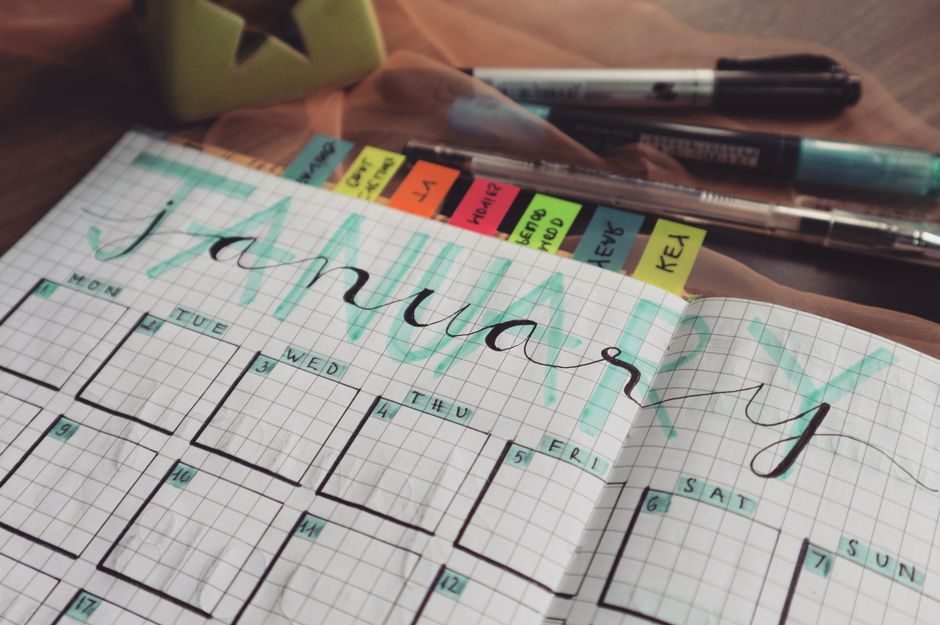
Turning news into plans
Translate a headline into a concrete plan: what to do, where, and when. If a road closure affects your morning run, shift it by 20 minutes or choose a different route. If you want to host an event, you can post your event in Basingstoke and coordinate with neighbors.
Apply the same approach to events: does a concert require early arrival or altered transport? Write down the exact steps you will take.
Keeping routines stable while still adapting to news prevents chaos and keeps relationships smooth.
- Identify concrete actions
- Time-stamp decisions
- Notify involved people
- Review once more before committing
Choosing between options
News often presents alternatives. Compare two viable routes to your destination or two possible event times. Ask which choice has the least friction for you and your circle.
Consider costs in time, energy, and accessibility rather than price alone. A slightly longer detour may save stress in rush hour.
Document your reasoning so you can defend or adjust the plan quickly if new information appears.
- List pros and cons
- Estimate time impact
- Check accessibility
- Note potential conflicts
Where to be careful
Common misreads
A single brief post can mislead if it omits context. Always look for a second source or official notice before changing long-standing routines. If your business operates locally, you can add your business listing in Basingstoke for visibility.
- ☐ Assume accuracy from a single post.
- ☐ Ignore timeframes and exact locations.
- ☐ Skip confirming with others.
Ambiguity around dates or locations is common in local updates. Treat any uncertainty as a signal to pause and verify.
Rushing to decisions based on headlines often misses practical impacts on home life.
- Verify before acting
- Seek official clarifications
- Avoid rushing plans
- Pause for family input
| Option | Pros | Cons |
|---|---|---|
| Ride share vs taxi | Matches budget and time | May limit spontaneity |
| Bus vs car | Lower stress in traffic | Less door-to-door convenience |
| Morning route A vs route B | Faster with fewer stops | Potential weather exposure |
Red flags to skip
If an update lacks a clear time, place, or authority, it’s safer to wait for a fuller report. Unverified posts increase the chance of wrong timing or unsafe choices.
Ignore hype around a sensational headline. Ground decisions in practical details like where and when it will occur.
When in doubt, stick to routines and revisit the update later in the day.
- Look for concrete details
- Avoid impulsive changes
- Favor official channels
- Revisit if uncertain
Share a quick summary with a partner or housemate to ensure alignment.
Tips for integrating updates

Making updates stick
Incorporate local news into a weekly planning ritual. Review any new items on a fixed day to adjust chores, transport, or social plans. When hiring locally, consider local job listings in Basingstoke to find nearby candidates.
- Identify updates that affect the week
- Decide on one action per update
- Update calendars and to-do lists
- Inform relevant people
Share a quick summary with a partner or housemate to ensure alignment. A short discussion prevents miscommunication later.
Use a simple checklist to confirm what changes you’ll implement this week.
- Set a weekly review time
- Share with a partner
- Use a brief checklist
- Keep changes practical
Practical takeaways
The most useful updates are those that change daily rhythm, not just news trivia. Focus on what you will actually do differently for the week.
Keep a small buffer in plans to accommodate late updates or changes in the forecast.
A reliable source for you becomes a smoother routine and less stress when plans shift.
- Focus on actionable changes
- Build a small buffer
- Prioritize routine-friendly updates
- Review choices before booking
Fine-tuning routines
Refining morning habits
Start with a simple morning anchor, like a 10-minute stretch or a glass of water, to set a calm tone for the day. Build consistency by choosing one habit to improve each week and track small wins. This keeps momentum without overwhelming your senses or schedule. Basingstoke obituaries offer a snapshot of the town’s daily life and can help you plan visits or remember local milestones.
- Choose a single routine to adjust this week.
- Set a concrete cue to trigger the new habit.
- Review your progress every evening for five minutes.
Identify your peak thinking hours and align tasks accordingly; if you’re sharper in the morning, schedule planning then and save routine chores for later. Adaptations should feel practical, not punitive, so choose changes you can sustain for at least a month.
A practical tweak is to prepare the night before: lay out clothes, set reminders, and pre-pack a bag. Small adjustments reduce morning friction and make the day feel more controllable.
- Pick one new routine to test per week
- Use a visible cue to trigger the habit
- Record progress in a simple notebook
- Revisit and reflect every Sunday
Balancing activity levels

Moderation in movement
A balanced week blends light, moderate, and restorative days so energy isn’t spent on one extreme. Aim for variety: a brisk walk, a short home workout, and a stretch session across seven days. This keeps body and mind engaged without burnout.
- Track daily energy on a simple scale.
- Adjust activities if you notice persistent fatigue.
- Prioritize rest when sleep is disrupted.
Notice your fatigue signals—slowed pace, shortness of breath, irritability—and scale back before you hit a wall. Gentle deviations now prevent bigger slips later. Consistency matters more than intensity.
Plan one social activity and one solo quiet time within the week to preserve energy for both connection and rest. This makes staying active feel sustainable rather than draining.
- Include at least one rest day
- Mix cardio with strength and mobility
- Tune intensity to daily energy
- Protect evenings from over-scheduling
Digital me-time
Screens with intention
Block out a daily window for digital time that you actually protect, even if it’s 15 minutes to read or plan. This small ritual creates a quiet span away from alerts and feeds. Intentional use reduces compulsive checking and improves focus.
Turn off non-essential notifications and set a predictable pattern for checking messages. The fewer distractions, the more you control your attention and mood.
Experiment with a no-device hour before bed to improve sleep quality and morning clarity. A calmer start often leads to better decisions later in the day.
- Create a fixed no-phone hour
- Limit social media to specific times
- Use grayscale or Do Not Disturb modes
- Keep devices out of the bedroom
Community connections

Low‑stress social ties
Building low‑friction connections strengthens daily life without pressure. Start with small, regular interactions like a weekly neighbor chat or a quick check‑in with a friend. These routines create a sense of belonging and practical support.
Offer help with small tasks and accept help for your own needs; reciprocity builds trust and keeps relationships balanced. Avoid overcommitting, which can exhaust your time and energy.
Choose one community activity that aligns with your interests, such as a book club or volunteer project. Regular, meaningful participation becomes a reliable anchor in busy weeks.
- Keep invites simple
- Set a predictable meetup cadence
- Balance giving and receiving help
- Choose activities you genuinely enjoy
Frequently asked questions
What if I miss a planned routine?If you miss a planned routine, return quickly to the next scheduled window and keep the rest of your week intact. A single lapse won’t derail your progress if you stay consistent with your next opportunity. Use a short reflection to identify what caused the miss and adjust the plan accordingly.
How do I stay motivated when progress feels slow?Track small wins and acknowledge how even small improvements reduce daily friction. Motivation follows steady momentum, not dramatic bursts. Set micro-goals, celebrate consistency, and remind yourself why you began this process.
Can I involve family or roommates in this plan?Yes. Discuss the goals and distribute simple tasks that fit everyone’s routine. Shared accountability sustains effort and creates a sense of teamwork. Keep expectations clear and flexible to respect individual schedules.
What should I do if I’m overwhelmed by too many updates?Limit updates to two fixed times per day and disable nonessential alerts. Create a priority list that focuses on changes affecting your routine, commute, or home life. If overwhelmed, step back to a basic, predictable routine and reintroduce updates gradually.
Conclusion
This practical guide shows how to weave Basingstoke Post news into daily life without overhauling routines. Start with one small habit, then build as needed so changes feel natural and manageable. The goal is to reduce stress by letting information integrate smoothly with your days.
With a steady mix of refined routines, mindful device use, and community touchpoints, you gain a reliable weekly rhythm. Pick one concrete next step this week and commit to it for a short period, then reassess. Small, consistent shifts are the heart of lasting change.
Add Pokémons as a preferred source on Google


