
Practical guide to finding lifestyle gigs and support locally
A clear, useful guide for everyday readers on using local classifieds and community boards to improve home life, relationships, and self-improvement.

You want real, actionable help from local resources without the fluff. This guide shows how to spot trustworthy postings, ask the right questions, and use community boards to improve daily routines and personal life. You’ll learn practical steps you can take this week to save time, reduce friction at home, and feel more supported by neighbors and local networks.
First, identify the kinds of postings that matter for daily living, such as caregiving, tutoring, or item exchanges. Treat each as a small project with a clear goal, a reasonable timeline, and a simple follow-up plan. Second, verify legitimacy by comparing details across posts and avoiding requests for sensitive data early on.
Finally, balance online finds with offline conversations. Ask neighbors for recommendations, check community calendars, and set boundaries to protect your time. Use the information to build a routine that supports your personal growth and home stability.
Basics of local postings
What to look for in posts
Read postings for clear purpose and specific asks. Look for dates, contact methods, and concise descriptions that show real intent. Notice if the tone feels respectful and practical rather than vague or pushy. Bağcılar Topluluk İlanları
- Skip due diligence and trust every claim; verify through a quick follow-up message.
- Accept vague timelines; ask for a concrete date and a backup plan.
- Ignore red flags like pressure to share personal data; stick to public channels until trust is built.
Common mistakes: 3 short mistakes, each with the better approach
- Ignore posts with no contact method; instead, request a direct way to reach the poster.
- Discard listings that demand upfront payment; seek verifiable information and a handbook of terms.
- Overlook vague promises; ask for a brief plan, a timeline, and a realistic next step.”
How to verify quickly
Cross-check the poster’s details with other local listings and community notices. A consistent contact name, location, and timing adds credibility. If something feels off, pause and ask for clarification before committing to anything.
Finding your niche in the borough

What you can offer
Identify simple roles that fit your schedule, like babysitting, pet care, or small repairs. Describe your availability honestly and set clear expectations for boundaries and compensation. A useful resource on this topic: istanbul bağcıkar iş ilanları.
- Be precise about your availability.
- Set boundaries and expectations early.
- Use local postings to build reliable routines.
- Be explicit about days and times you can help.
- State any limits on responsibilities from the start.
- Offer a fair, consistent approach to compensation or swap arrangements.
What you can gain
Local postings can connect you with people who share routines similar to yours, reducing last-minute stress. You might discover reciprocal support, like trade-offs in childcare or errands. Treat each connection as a small alliance that can grow with time.
How to craft a clear request
Framing your ask well
State the goal in one sentence and follow with essential details. Include location, time windows, and any required materials or access needs. A concrete ask is easier for someone to respond to, even if it’s a no.
- Keep it to a single page or short message.
- Share a realistic timeline for a decision.
- Offer to provide docks of reference or verification if needed.
| Aspect | Method | Pros & Cons |
|---|---|---|
| Communication | In-person meeting vs messages | In-person meetings build trust; messages are quick but can be misinterpreted; balance both for best results |
| Verification | Cross-check with others | Reduces risk of scams; may require more time and questions |
| Boundaries | Clear rules upfront | Prevents misunderstandings; helps maintain consistency |
How to respond to responses
Reply promptly with a polite acknowledgment and a clear next step. Restate the agreed details and confirm the plan in writing. If no follow-up happens, send a brief reminder after a couple of days.
Use public channels for initial talks, and arrange in-person meetings in safe, neutral places.
Safety and boundaries

Protecting your information
Share only what’s necessary and avoid sensitive data. Use public channels for initial talks, and arrange in-person meetings in safe, neutral places. Trust builds with transparency and small, documented steps.
- Use official contact methods only.
- Verify identity through a quick check with a mutual contact.
- Avoid sending money or sensitive details before meeting in a public space.
Setting boundaries that stick
Decide in advance what you’ll accept and what you won’t. Write down non-negotiables like cancellation policies, travel limits, and how you’ll handle no-shows. Refer back to these rules if a conversation starts to drift.
- Define a cancellation window that works for you.
- Agree on a simple method to confirm plans.
- Have a backup option in case plans fail.
Choosing reliable platforms
Assess platform legitimacy
Start by listing local platforms that have clear contact methods and recent activity. Look for user feedback or moderation policies that indicate active support. Avoid spaces with little traceable interaction or vague terms.
Compare how each platform handles disputes and safety. A reliable site will have a simple process to report issues and a visible terms page. Prioritize those with transparent rules over flashy but vague promises.
Test how responsive the platform is before committing. Send a quick inquiry and note response times and helpfulness. Quick, courteous replies typically signal dependable service.
- Check for verification options
- Look for moderation policies
- Note response times
- Watch for clear terms of service
Negotiating terms with neighbors

Set clear expectations early
State your availability, compensation or exchange terms, and exact tasks. Put these in a short message to avoid misinterpretation. Concrete boundaries prevent future friction.
- ☐ Clarify rate or trade value
- ☐ Agree on schedule
- ☐ Identify deliverables
- ☐ Confirm point of contact
Offer a simple trial period to test fit, then reassess. This reduces pressure and shows you value clarity. Document agreed points in a follow-up note.
Explain any safety steps or materials you'll provide, so both sides know what to expect. If you need equipment, list who supplies it and who pays for it.
- Define scope of work
- Agree on timing and pay
- Clarify safety and materials
- Record the agreement
Maintaining relationships over time
Nurture trust through communication
Check in after each job to confirm satisfaction and address changes. A brief thank-you note or a quick call can reinforce goodwill. Regular, respectful communication keeps conflicts from forming.
- Maintain a consistent communication pattern
- Document changes in the agreement
- Respect boundaries and limits
- Show appreciation where appropriate
Share small updates about your availability or limits so neighbors aren’t surprised by changes. Honesty about busy periods builds reliability.
Celebrate good outcomes or offer a small gesture when a project goes well, such as returning with a little extra help on a future task. Small acknowledgments reinforce positive cycles.
- Send post-job feedback
- Share availability updates
- Acknowledge good work
- Offer occasional extras
When to walk away with grace
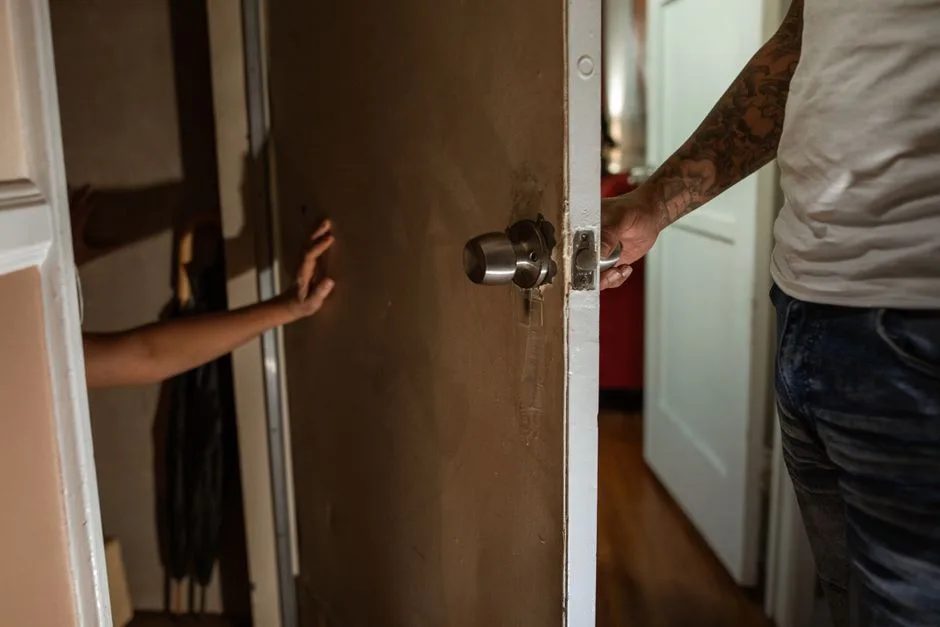
Recognize red flags early
If a request becomes vague, payment delays, or repeated changes without notice, treat it as a warning sign. Trust your instincts and reassess before committing further. Walking away can prevent bigger issues later.
If behavior feels disrespectful or unsafe, remove yourself promptly. Prioritize personal boundaries over keeping a contract,”
Document troubling interactions and, if necessary, disengage through a polite, final message. Leaving on good terms preserves your reputation for future opportunities.
- Vague promises or last-minute changes
- Repeated safety concerns
- Payment delays or disputes
- Disengage politely when needed
Frequently asked questions
How do I know a posting is legitimate?Look for recent activity, clear contact options, and explicit terms. A legitimate posting usually includes a brief task description, a payment method, and a timeline. If any of these are missing, proceed with caution and ask for details before agreeing.
What should I include in my first message?State your availability, what you can do, and any limits. Ask a clarifying question about timing or materials. A concise, respectful message signals reliability and helps set expectations.
How do I handle a dispute calmly?Refer back to the original terms, share your documentation or notes, and propose a specific solution. If needed, pause work until the issue is resolved and keep communications civil.
When is it better to walk away?If safety, payment, or repeated boundary violations are at risk, stepping back protects you. Communicate clearly and close the conversation politely, so you leave room for future opportunities.
Practical next steps
Begin by choosing one reliable platform and posting a clear, honest request for a local lifestyle task. Track responses for a week and note what works.
Set a simple working protocol: how you communicate, what you deliver, and how you verify satisfaction. Update this as you gain experience to reduce friction.
For more insights on this topic, you might find Smart daily habits: a practical checklist particularly informative.
You may also find Як зробити стильне життя з розумінням helpful as it covers related aspects of this subject.
You may also find Lokale rapportage als lifestyle-keuze: wat Rochdale helpful as it covers related aspects of this subject.
Add Pokémons as a preferred source on Google


