
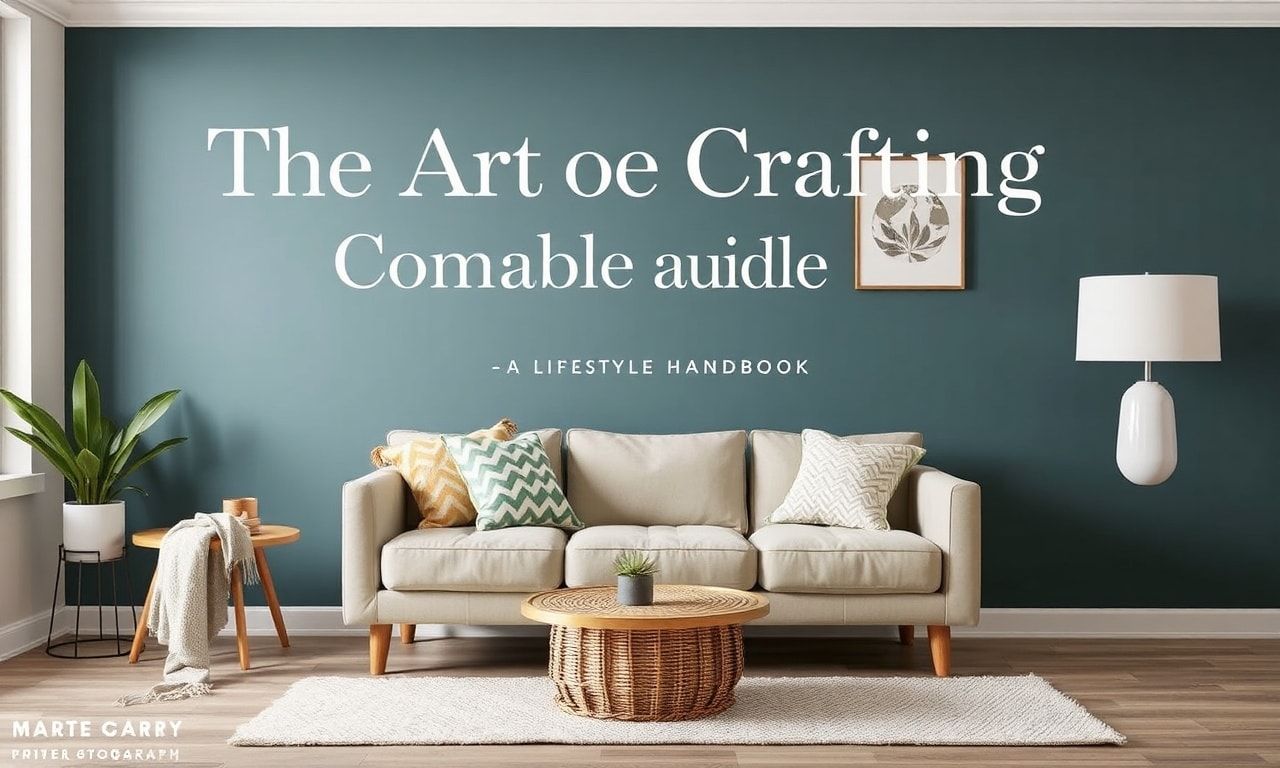
The Importance of a Well-Designed Living Space
In the realm of lifestyle and daily living, the design and ambiance of our homes play a pivotal role in shaping our overall well-being. A well-designed living space can significantly enhance our mood, productivity, and even our relationships. The concept of ‘home’ has evolved beyond mere shelter; it has become a sanctuary where we seek comfort, relaxation, and inspiration. Understanding the nuances of home decor and design can transform your living space into a haven that reflects your personality and caters to your needs.
Understanding Current Trends in Home Decor
Keeping up with the latest trends in home decor can be both exciting and overwhelming. From minimalist designs to maximalist expressions, the options are vast. One of the key trends that has gained traction in recent years is the focus on sustainability and eco-friendly materials. Incorporating natural elements such as wood, stone, and plants can bring a sense of tranquility and connection to nature into your home. Additionally, the use of neutral colors and soft textures can create a calming atmosphere, making your living space more inviting and comfortable.
For those looking to stay updated with the latest trends, exploring resources like ev dekorasyonu güncel trendler can provide valuable insights and inspiration. These platforms often feature expert advice, design tips, and innovative ideas that can help you revamp your home with ease.
The Role of Personalization in Home Decor
Personalization is at the heart of creating a home that truly reflects who you are. Whether it’s through family photographs, cherished mementos, or unique pieces of art, incorporating personal touches can make your living space feel more intimate and meaningful. The key is to strike a balance between personalization and functionality. While it’s important to surround yourself with items that hold sentimental value, it’s equally crucial to ensure that your home remains clutter-free and organized.
Consider creating designated spaces for your personal items, such as a gallery wall for photographs or a display cabinet for collectibles. This not only adds a personal touch to your home but also helps maintain a sense of order and harmony. Additionally, involving family members in the decorating process can foster a sense of belonging and shared responsibility, making the home a true reflection of everyone’s tastes and preferences.
Enhancing Relationships Through Shared Spaces
The layout and design of your home can significantly impact the dynamics of your relationships. Creating shared spaces that encourage interaction and bonding is essential for fostering strong connections with family and friends. Open-plan living areas, cozy seating arrangements, and communal dining spaces can facilitate conversation and shared activities, making your home a hub of social interaction.
Incorporating elements that cater to the interests and hobbies of your family members can also enhance the overall ambiance of your home. For example, a dedicated reading nook for book lovers or a music corner for aspiring musicians can create a sense of inclusivity and mutual respect. By designing your home with shared experiences in mind, you can nurture a supportive and loving environment that strengthens your relationships.
Self-Improvement Through Mindful Living
Mindful living is a concept that emphasizes being present and aware of your surroundings, which can be applied to the way you design and maintain your home. Creating a mindful living space involves incorporating elements that promote relaxation, focus, and self-reflection. This can include features such as meditation corners, indoor gardens, or even simple touches like scented candles and soft lighting.
Additionally, decluttering and organizing your home can have a profound impact on your mental well-being. A clutter-free environment can reduce stress and anxiety, allowing you to focus on self-improvement and personal growth. Consider adopting minimalist principles and only keeping items that bring you joy and serve a purpose. By creating a serene and organized living space, you can cultivate a mindset that supports your overall well-being and personal development.
Practical Tips for a Mindful Home
Here are some practical tips to help you create a mindful living space:
- Designate a Meditation or Relaxation Area: Create a cozy corner with comfortable seating, soft lighting, and calming colors where you can practice mindfulness and relaxation techniques.
- Incorporate Natural Elements: Bring nature indoors by adding plants, natural materials, and earthy tones to your decor. This can create a sense of tranquility and connection to the outdoors.
- Declutter Regularly: Make it a habit to declutter your home regularly. Donate or dispose of items that no longer serve a purpose or bring you joy, and keep your living space organized and tidy.
- Use Aromatherapy: Incorporate scented candles, essential oil diffusers, or room sprays with calming scents like lavender, eucalyptus, or chamomile to create a soothing atmosphere.
- Create a Digital-Free Zone: Designate a specific area in your home, such as the bedroom or dining room, as a digital-free zone to encourage face-to-face interactions and reduce screen time.
By implementing these tips, you can transform your home into a sanctuary that supports your mental and emotional well-being, ultimately enhancing your quality of life.