
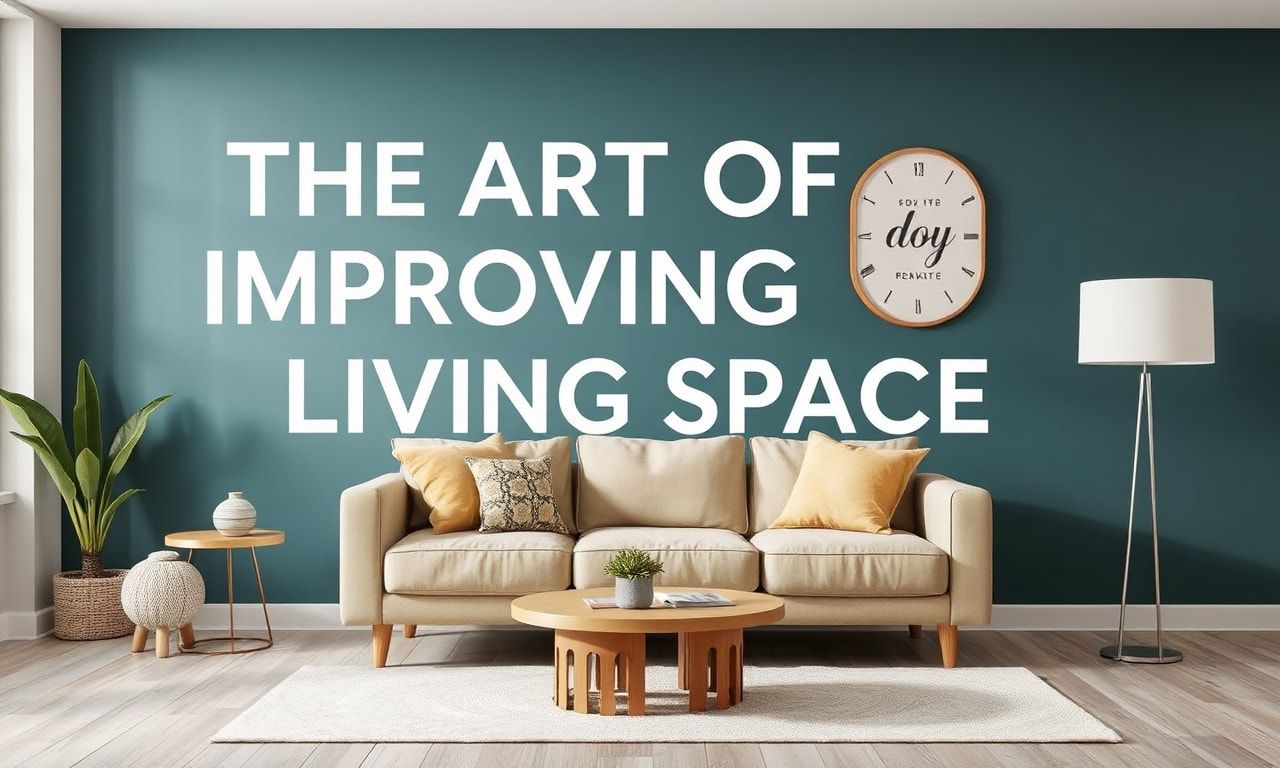
The Importance of a Well-Designed Living Space
A well-designed living space can significantly impact your mood, productivity, and overall well-being. It’s not just about aesthetics; it’s about creating an environment that reflects your personality and supports your lifestyle. Whether you’re a minimalist, a maximalist, or somewhere in between, understanding the principles of interior design can help you transform your house into a home.
Understanding Your Personal Style
Before you start redecorating, it’s essential to understand your personal style. Do you prefer a modern, sleek look, or do you lean towards a more rustic, cozy vibe? Identifying your style preferences will guide your decisions and help you create a cohesive look throughout your home. Consider creating a mood board with images, colors, and textures that inspire you. This can be a physical board or a digital one using apps like Pinterest.
Color Psychology: Choosing the Right Palette
Colors have a profound effect on our emotions and behaviors. Choosing the right color palette for your living space can enhance your mood and create a harmonious atmosphere. For example, blue is known for its calming effects, making it an excellent choice for bedrooms and bathrooms. On the other hand, yellow can stimulate creativity and is ideal for home offices or kitchens. When selecting colors, consider the purpose of each room and the emotions you want to evoke.
If you’re looking to add a personal touch to your home, consider DIY projects like fabric painting. This can be a fun and creative way to customize your space. For those interested in fabric painting, the kumaş boyama işleri için en iyi rehber offers a wealth of information and tips to get you started.
Maximizing Natural Light
Natural light is a crucial element in any living space. It not only makes a room feel larger and more inviting but also has numerous health benefits, including boosting your mood and improving sleep quality. To maximize natural light, consider using sheer curtains or blinds that can be easily adjusted. Mirrors can also be strategically placed to reflect light and create the illusion of a larger space. Additionally, keep windows clean and unobstructed to allow as much light as possible to enter.
Furniture and Layout: Creating a Functional Space
The furniture you choose and how you arrange it can greatly impact the functionality and flow of your living space. When selecting furniture, consider both its aesthetic appeal and its practicality. For example, a coffee table with built-in storage can provide a convenient place to store remote controls and magazines, while a sofa with a sleek design can add a modern touch to your living room.
When arranging furniture, think about the purpose of each room and how you want to use the space. For example, in a living room, you might want to create a conversational area with a sofa, chairs, and a coffee table. In a home office, you might want to arrange your desk and chair to maximize productivity. Don’t be afraid to experiment with different layouts until you find one that works best for you.
Adding Personal Touches
Your living space should be a reflection of your personality and interests. Adding personal touches, such as family photos, artwork, or collectibles, can make your home feel more inviting and unique. Consider creating a gallery wall with your favorite photos and artwork, or display a collection of items that have special meaning to you. These personal touches will not only make your home feel more like yours but also create a warm and welcoming atmosphere for your guests.
Maintaining a Clean and Organized Space
A clean and organized living space can greatly improve your mental well-being and productivity. Regular cleaning and decluttering can help you maintain a tidy home and reduce stress. Consider establishing a cleaning schedule that works for you, whether it’s daily, weekly, or monthly tasks. Additionally, invest in storage solutions that help you keep your belongings organized and out of sight. This can include anything from baskets and bins to shelves and cabinets.
Remember, creating a well-designed living space is an ongoing process. It’s about finding what works best for you and your lifestyle, and making adjustments as needed. By following these tips and guidelines, you can transform your house into a home that you love spending time in.