
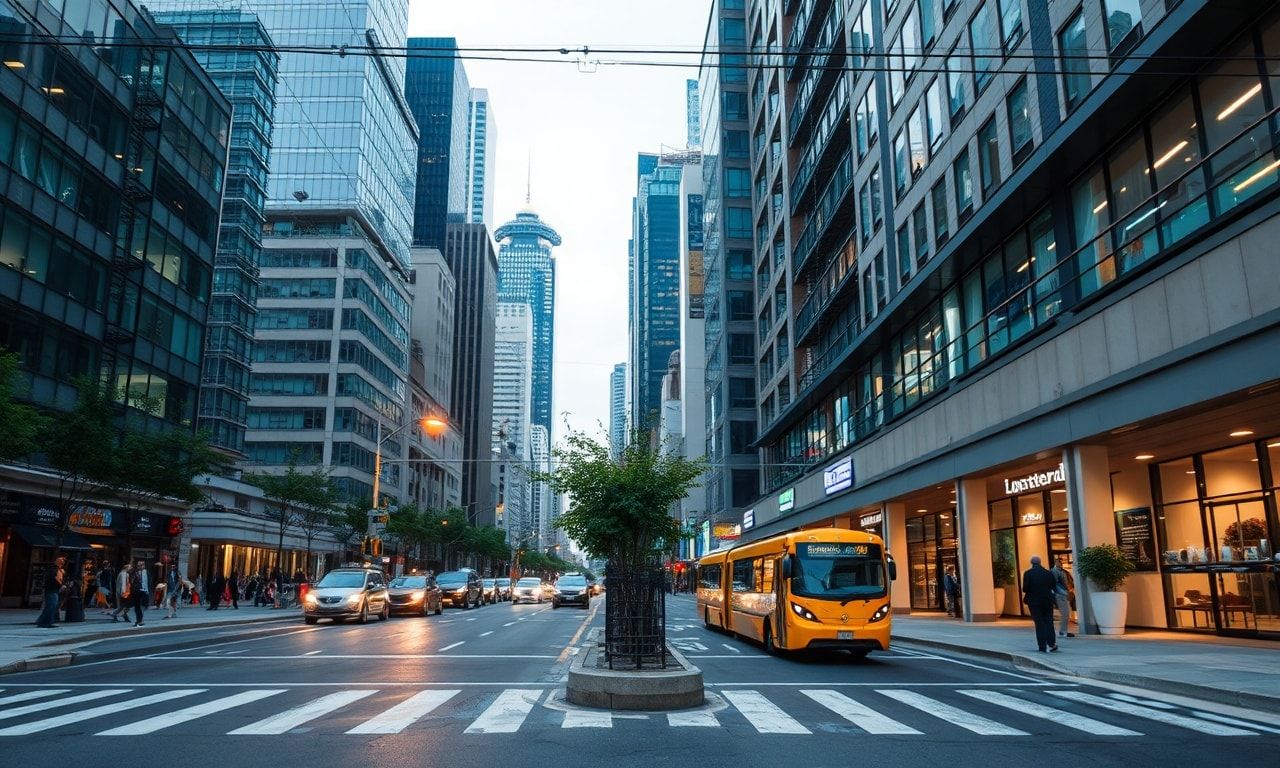
The Evolution of Urban Living
Urban living has undergone a significant transformation over the past few decades. The rise of smart cities, the integration of technology into daily life, and the increasing emphasis on sustainability have all played a role in shaping how we live. As more people move to urban areas, the demand for efficient transport infrastructure, affordable housing, and community spaces has grown. This shift has led to a more dynamic and interconnected lifestyle, where the boundaries between work, home, and leisure are increasingly blurred.
One of the most notable changes in urban living is the way cities are adapting to the needs of their residents. From the development of green spaces to the implementation of smart traffic systems, cities are becoming more responsive to the needs of their inhabitants. This evolution is not just about infrastructure; it’s about creating a lifestyle that is both convenient and fulfilling. As cities continue to grow, the focus on creating communities that are inclusive, sustainable, and vibrant will be crucial in shaping the future of urban living.
The Role of Transport Infrastructure
Transport infrastructure is a critical component of urban living. Efficient and reliable public transport systems can significantly enhance the quality of life for residents. They provide a means of getting to work, school, and leisure activities, and they also contribute to reducing traffic congestion and pollution. The development of transport infrastructure is a continuous process, with cities constantly seeking to improve their systems to meet the growing demands of their populations.
For the latest updates on transport infrastructure developments, you can visit transport infrastructure news update. This resource provides valuable insights into the latest projects and initiatives aimed at improving urban mobility. Whether it’s the introduction of new metro lines, the expansion of bike-sharing programs, or the implementation of smart traffic management systems, staying informed about these developments can help residents make the most of their urban living experience.
The Importance of Community Spaces
Community spaces play a vital role in urban living. They provide a place for residents to gather, socialize, and engage in recreational activities. Parks, community centers, and public squares are essential for fostering a sense of belonging and promoting social interaction. These spaces not only enhance the quality of life but also contribute to the overall well-being of urban residents.
In recent years, there has been a growing emphasis on creating more inclusive and accessible community spaces. Cities are increasingly recognizing the importance of designing spaces that cater to the diverse needs of their residents. This includes providing facilities for people of all ages and abilities, as well as ensuring that these spaces are safe, clean, and well-maintained. By investing in community spaces, cities can create a more cohesive and vibrant urban environment.
Sustainable Living in Urban Areas
Sustainability is a key consideration in modern urban living. As cities continue to grow, the need to reduce their environmental impact has become increasingly urgent. Sustainable living practices, such as energy-efficient housing, waste reduction, and the use of renewable energy sources, are essential for creating a more sustainable urban future.
Many cities are implementing initiatives to promote sustainable living. These include the development of green buildings, the introduction of recycling programs, and the encouragement of sustainable transport options. By adopting these practices, cities can reduce their carbon footprint and create a healthier environment for their residents. Sustainable living is not just about protecting the planet; it’s about creating a better quality of life for everyone.
The Future of Urban Living
The future of urban living is bright. As cities continue to evolve, they will become more efficient, sustainable, and inclusive. The integration of technology, the development of green spaces, and the focus on community well-being will all contribute to creating a better urban environment. By embracing these changes, cities can ensure that they remain vibrant and attractive places to live.
In conclusion, urban living is a dynamic and ever-evolving landscape. The intersection of lifestyle and urban living is shaped by a multitude of factors, from transport infrastructure to community spaces and sustainable practices. As cities continue to grow and adapt, the focus on creating a high quality of life for their residents will be crucial in shaping the future of urban living.
If you’re looking to enhance your living space and create a cozier atmosphere, consider exploring how room dividers can help in transforming your home into a more intimate and inviting sanctuary.
Understanding the link between our minds and money can greatly improve our overall well-being, so we suggest exploring mental health and finances in this insightful article.
Discover the essence of togetherness and tradition in your daily life by exploring India’s vibrant festival celebrations and their impact on relationships and self-improvement.